Mini Replaces Transmissions Because of a New Ecological Standard
Mini Replaces Transmissions Because of a New Ecological Standard
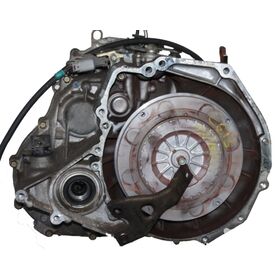
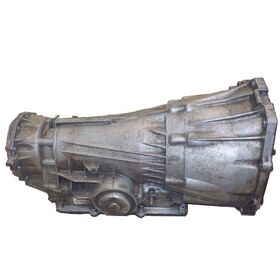
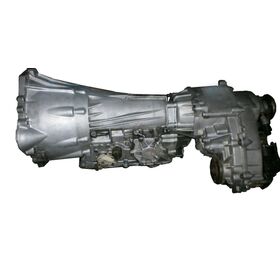
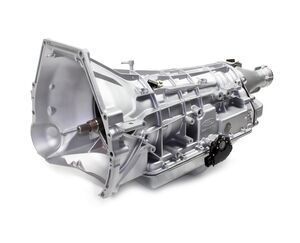
The British car maker Mini has recently informed about the plans to replace automatic transmissions, installed on the company’s cars, with automated transmissions.
The decision to replace 6- and 8-speed automatic transmissions with the 7-speed automated transmission is related to a new ecological standard WLTP, which will come into force in the fall of 2018. This standard will substitute the current standard NEDC (New European Driving Cycle).
Learn more about WLTP
The automated transmission may be integrated with
the start/stop system and has the capacity to select gears taking into account
GPS data on the traffic route. All of this together with a new DPF filter, which
will be installed on engines of Mini cars, allowed the company to certify its
cars in accordance with the
more stringent legislation requirements.
What is WLTP?
The WLTP abbreviation stands for Worldwide Harmonized
Light Vehicles Test Procedure. This standard will be uniform for all car categories.
The gist of this standard is to rely not only on laboratory data of efficiency measurements
and the level of environmental friendliness, but also to take into account real
testing. Developers of WLTP claim that this standard gives way to the world’s
first official testing for fuel efficiency and harmful emissions conducted in
real “field” conditions.
The main difference
from NEDC, which is based
on laboratory tests and theoretical driving profiles, lies in the fact that the uniform WLTP standard is
developed with the use of data collected from all over the world and reflects a
routine driving profile.
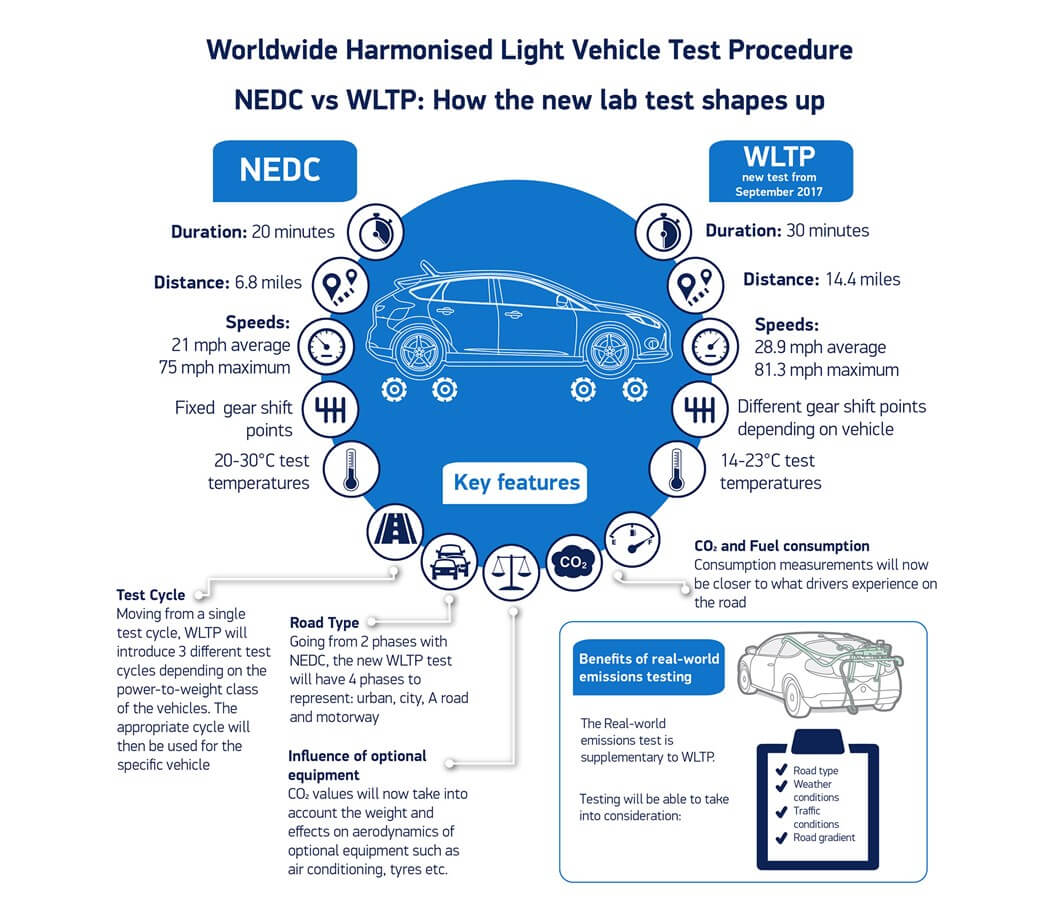
The test driving phase of WLTP implies four different
speed estimations (from low
to ultrahigh). Each of these estimations includes numerous driving phases: stop,
sudden stop, braking, acceleration, sharp acceleration. Several new
mathematical models, more complicated and accurate than in NEDC, were
introduced in WLTP for calculation of differences in fuel economy and harmful
emissions.
Nowadays, the implementation of WLTP is considered to be one of the most significant changes in the industry, especially after the “diesel scandal” with Volkswagen, which has changed the legal and ethical perception of data on fuel economy and polluting emissions. Some well-known automakers such as VW and Porsche already had to take out of production some car models that won’t be able to meet the WLTP standards.