Typical Issues with Downshift Solenoid and its Replacement
Typical Issues with Downshift Solenoid and its Replacement
Modern automatic transmissions are quite complex components of automobiles consisting of numerous elements that operate in conjunction to ensure smooth gear shifting. These sophisticated units function with the help of hydraulic pressure to implement the process of gear shifting itself, and utilize valve body solenoids to handle the pressure of the ATF to specify the shifting points. There are many solenoids responsible for different gear shifting operations, and in this article we will have a closer look at downshifting solenoids.

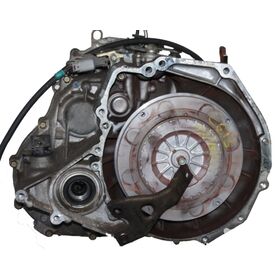
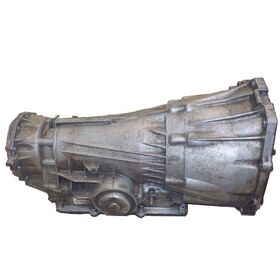
4L60E Downshift Solenoid
The downshift solenoid is responsible for shifting from a higher speed to a lower speed, for example, in cases when the car is decelerating to a stop. When this solenoid gets out of order, it may have a negative impact on the car’s shifting capacity. Commonly, a driver can understand that his car shifts weird because of a defected solenoid due to the following symptoms:
- Unsteady shifting
One of the most vivid signs of a faulty
downshift solenoid is unsteady shifting. If something is wrong with this
solenoid, it may force the car to behave unstably during downshifting. Thus,
when you have to deal with hard or erratic shifting before stopping your car,
the chances are high that the downshifting solenoid has failed.
- Shifting delays
Another known sign of an issue with the downshift
solenoid lies in gear shifting delays. The gearbox may stay engaged in a higher
gear during the time when it should already shift to a lower gear. This will
cause needless RPM boosting, and may cause an extra load on the powertrain
components.
- Malfunction indicator lamp
A malfunction indicator lamp (MIL), or check
engine light, frequently pops on when the electronic management unit of your
car detects some deviations from operating standards. The thing is that this
warning mechanism will inform the driver not only about the faulty downshift
solenoid, but also about a wide range of other issues. Thus, if you have
suspicions about operability of the downshift solenoid, then it is needed to
visit the nearest repair shop for diagnostics and scanning of error codes.
Downshift solenoids are relevant valve body
elements, ensuring proper downshifting. If you disregard the abovementioned
symptoms, it may lead to more serious problems with the whole gearbox unit and
consequently pricey repair.
Replacement
If you decide to replace a faulty downshift
solenoid by yourself, it is necessary to follow several simple recommendations.
Before you start, make sure that you have all necessary tools to perform this
operation safely and accurately (drain pan for ATF, nippers, jack, jack stands,
ratchet wrench, special gloves, new spare part, etc.) Then, you have to perform
the following:
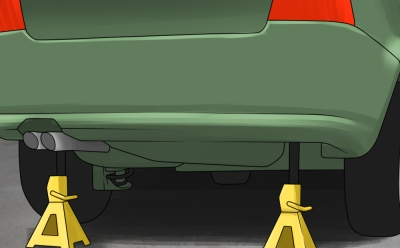
- Lift the car with the help of jack stands;
- Drain out ATF by removing the plug from the pan
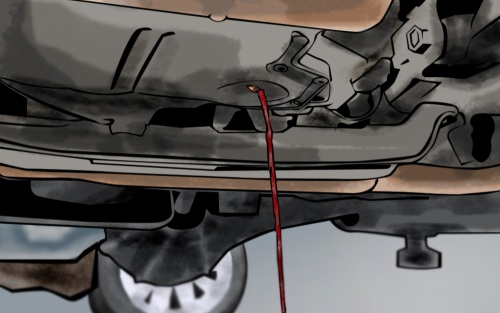 ;
;
- Carefully disconnect the ATF pan itself with the help of the wrench;
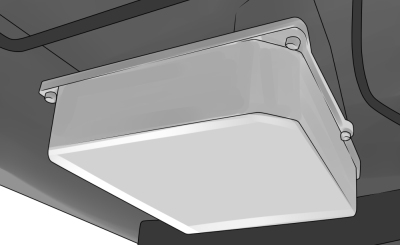
- Find the exact fitting place of the downshift solenoid in the car manual or search the info on the Internet;
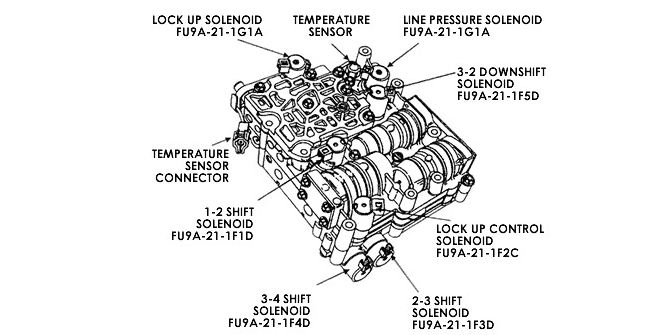
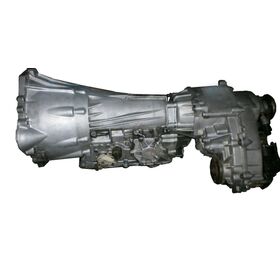
Solenoid identification and location using the
example of 4EAT
- Remove the defected element;
- Mount the new solenoid;
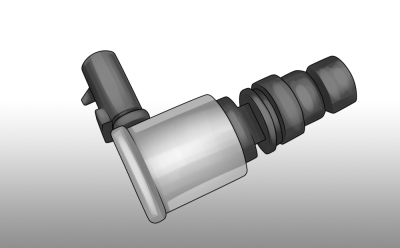
- Reinstall the gearbox pan cover;
- Fill in the necessary amount of ATF recommended by the automaker;
- Remove the car from jack stands;
- Perform a test drive and pay attention to the downshift solenoid operation.
If you are
not sure that you can perform this procedure accurately, then it is better to
entrust this job to professional technician, otherwise you will only make the
matter worse.