Mitsubishi Super Shift Transmission
Mitsubishi Super Shift Transmission
Nowadays, the automotive engineers have access to a wide range of incredible technologies, therefore each year car manufacturers amaze us with new models packed full of sophisticated features. But 30-40 years ago, the auto industry, despite limited diversity of technical solutions at that time, also was able to deliver cars with wondrous design peculiarities, For instance, everyone who had a chance to get behind the wheel of Mitsubishi Mirage (1-st Gen) could have been amazed to see 2 transmission control levers instead of one. In this article, we will take a closer look at the famous (in its days) gear shifting technology designed by Mitsubishi.
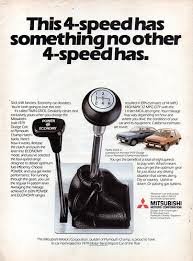
The Super Shift transmission, also known as
Twin-Stick, is a manual gear shifting solution designed by Mitsubishi in the
late ‘70s. This solution found application on several Mitsubishi models, which
were produced mostly in the ‘80s. This unit is notable for some design
peculiarities: this 2WD unit has 8 forward gears. Moreover, the design of this
manual is complemented by the overdrive unit, unusual feature for a stock car
of this type.
This gearbox was designed on the basis of a
standard 4-speed manual unit to be applied on the 1-st Gen Mirage model, the
carmaker’s 1-st FWD vehicle.
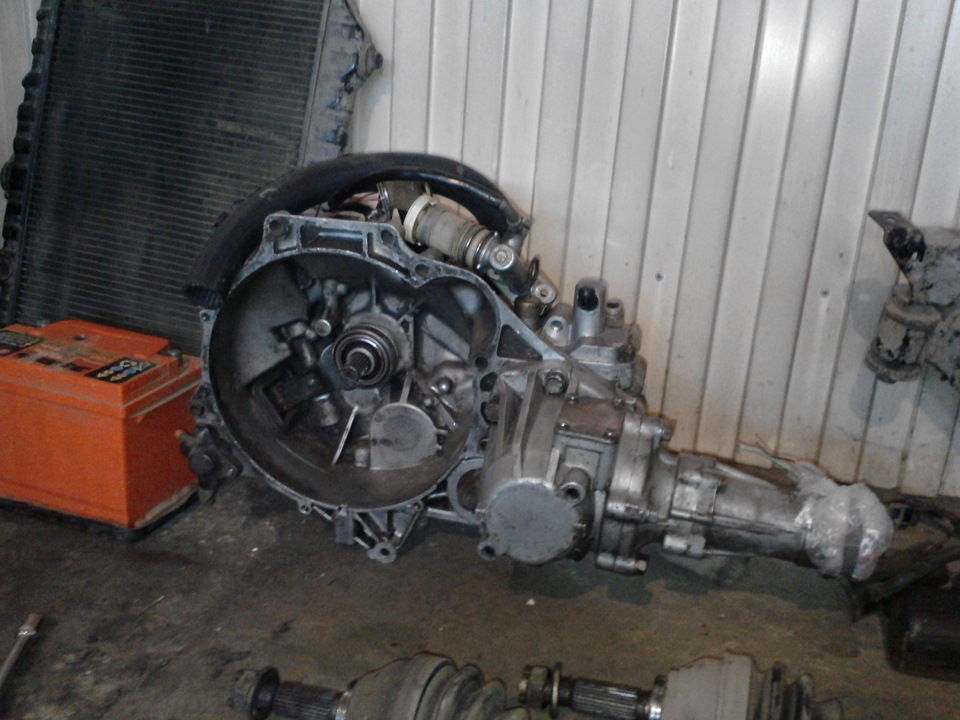
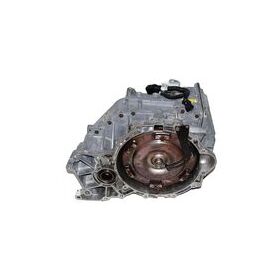
Super Shift transmission used in the Mitsubishi Chariot
Mitsubishi engineers wanted to lower the center
of gravity of the car as much as possible, thus they decided to position the
gearbox below the level of the engine crankshaft. In addition, it was necessary
to force the main gear to rotate in the right direction, as it was impossible
with the existing layout. Thus, Mitsubishi engineers came up with the idea to
apply an additional idler/lay shaft. This solution forced the axle drive gear
to rotate in the right direction, but also to place lower all heavy components
(shafts with clutches and the main gear). It was then realized that the
idler/lay shaft could be implemented as a separate 2-speed gearbox, which would
be actuated by a 2-nd shift lever placed near the main gear stick inside the
cabin.
A standard 4-speed mechanism was complemented
by a 2-speed “high-low” selector, which, in turn, efficiently split each of the
four gears in two. As a result, the Twin-Stick unit had 8 forward gears and 2
rev gears. In fact, this technology was not something new for the automotive
industry, as the same mechanism had been widely used in heavy-duty applications
before the Mitsubishi solution.
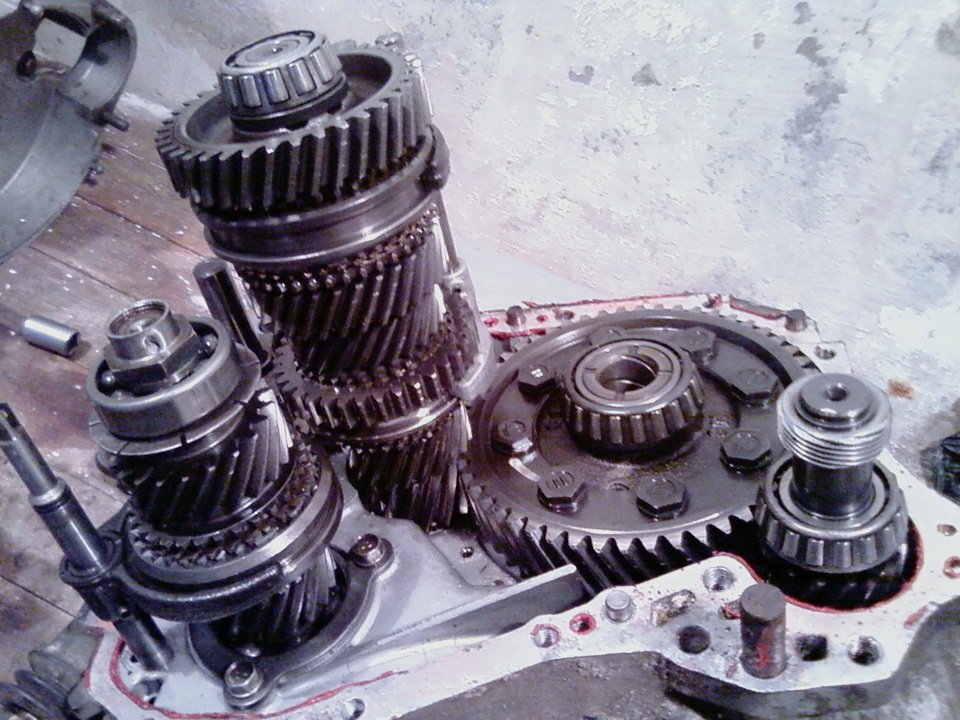
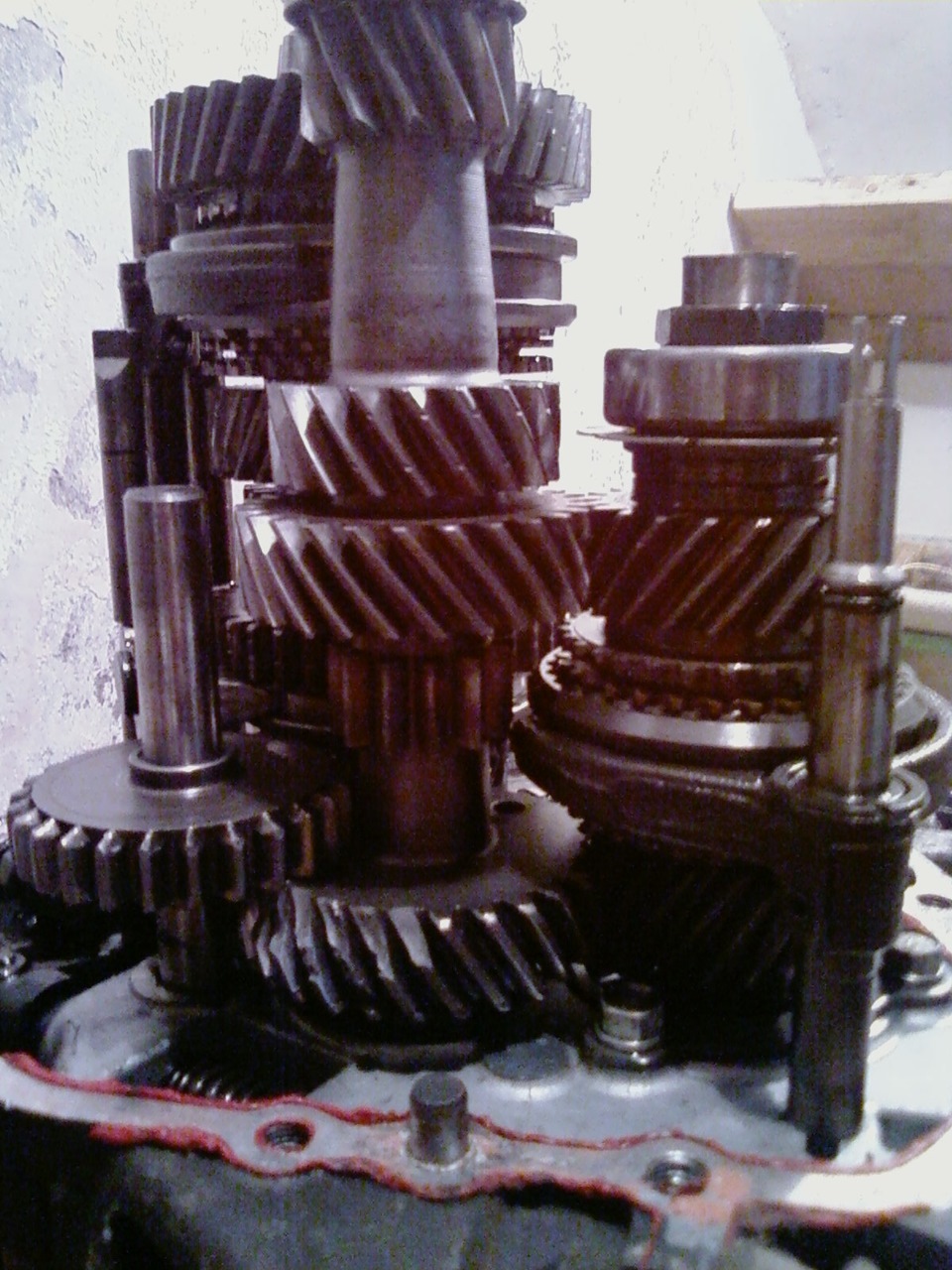
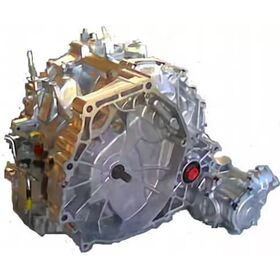
Take a look inside the
Super Shift transmission
In passenger cars equipped with this gearbox,
the additional lever was marked as 'Power' for the lower range, and 'Economy'
for the higher range. In some cars the 2-nd stick was as marked with a star
icon for the lower range and 'E' (economy) for the higher range. When driving
on the road, the engaged mode was highlighted on the dashboard.
In practice, it was almost impossible to use
all forward gears sequentially, as the shifting process would require too many
movements with two levers, therefore owners of cars equipped with this gear
shifting technology used the low 'Power' mode most of the time to ensure better
dynamics, while only shifting to the E mode when driving with constant speeds
along the highway.
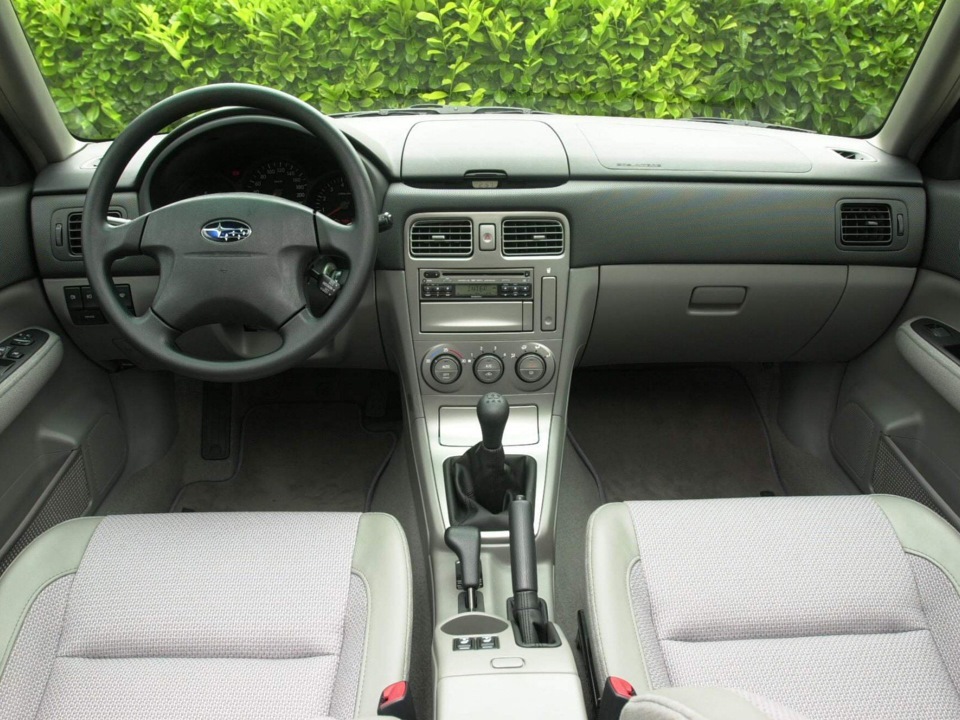
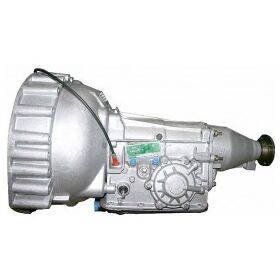
Similar gear shifting technology implemented in Subaru Forester
It is interesting to note that this gear shifting concept is implemented in some Subaru cars. This remarkable technology became a part of history in 1990, when Mitsubishi decided to shut manufacturing of the Tredia and Cordia models.