Importance of Manual Mode in Automatic Transmissions
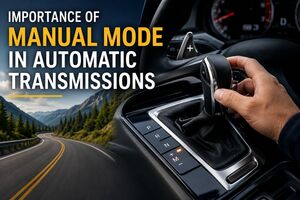
Importance of Manual Mode in Automatic Transmissions
Modern automatic transmissions are justly considered by many to be more comfortable and efficient gear shifting solutions, and no wonder that major car makers give preference to advanced automatics over conventional manual transmissions, thereby gradually making the latter a relic of the past. The trend of shifting to automatics is especially vivid on the US market, where the take rate of manual cars hardly reaches 2%.
Rapidly growing share of automatic
transmissions in modern vehicles made it possible to increase the level of
comfort on the road, optimize the process of gear shifting and fuel economy,
and to implement some features related to the road safety. All these benefits
are particularly important on urban roads with heavy traffic. But why designs
of automatic transmissions still include a manual mode of operation?
Transmission manufacturers include this feature
for a reason, as drivers frequently have to deal with some situations on the
road, when it is necessary to shift gears manually. In this article, we will
consider how this feature can be implemented in automatic transmissions, and
more importantly, when this mode of operation should be engaged.
Ways to implement a “manual mode” in automatic transmissions
Most of all automatic transmissions, in one way
or another (Tiptronic, Overdrive, kick-down etc), allow owners of automatic
vehicles to simulate the sequential manual control, as the actual gear shifting
is still fulfilled by the TCM, while the driver decides what gear should be
engaged.
Activating manual mode is not the same for all
brands. Switching to the manual mode and further control in automatic
transmissions with a Tiptronic function is implemented by moving the shift
lever into D and then move the lever to the Tiptronic shift gate marked with
symbols “+” for upshifting and “-“ for downshifting. In some cars, manual mode
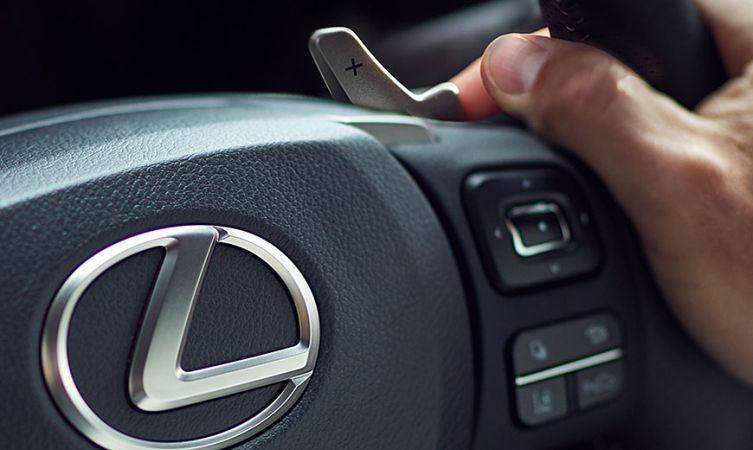
can be actuated by means of paddle shifters.
Some automatic cars have an operating mode named “overdrive” (or O/D). This mode is engaged when the driver presses a special button located on the gear lever, thereby triggering forced engagement of the highest gear.