ZF Aftermarket: Remanufacturing is a Key to Sustainable Production
ZF Aftermarket: Remanufacturing is a Key to Sustainable Production
A rational use of resources is the most
reasonable way to ensure environment-oriented production. Remanufacturing
allows the automobile industry to cut expenses on consumption of energy and
materials – in contrast to manufacturing of new parts. ZF has been working with
this concept in mind since 1962 and has significantly expanded its reman
program over the last years. As a result, ZF managed to launch remanufacturing
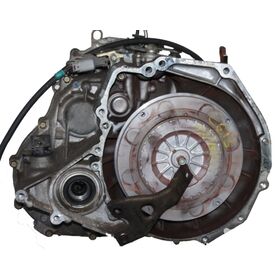
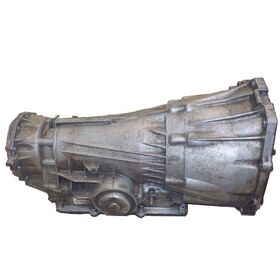
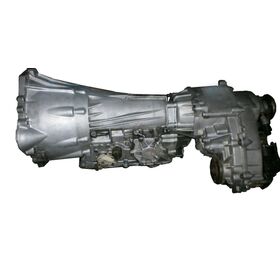
of a wide range of car elements including brake systems, gearboxes, steering
units or torque converters to original equipment quality at 15 sites.
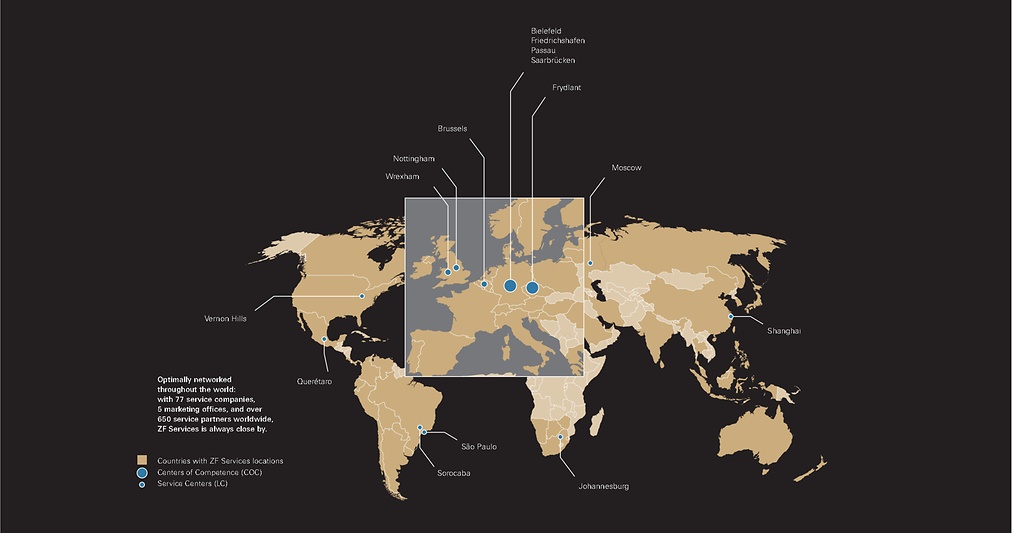
ZF’s remanufacturing
locations
At the upcoming ReMaTec exhibition focused on
the latest trends and technologies of the aftermarket industry, ZF Aftermarket
plans not only to showcase its latest rebuilt solutions, but also present the
most significant ZF achievements in the field of remanufacturing. It is
interesting to point out that ZF has several Cradle-to-Cradle (C2C)
certifications for sustainable production. To receive this certification, the
production company must reuse approximately 95 % of the materials.
At ZF Aftermarket, the process of
remanufacturing starts in the repair shop, by tearing down the old component
from the car. At one of the sites, ZF Aftermarket specialists estimate the
condition of the component, disassemble and clean it. Then they separate worn
or broken individual elements, dispose of them in an eco-friendly way or
recycle them. In the process of assembly, ZF specialists replace faulty or
worn-out elements with parts of OEM quality and update the software if required.
Lastly, the remanufactured part is supplied to the aftermarket with a new
warranty.
Learn more about remanufacturing
processes at ZF Aftermarket
ZF representatives claim that remanufacturing
is a production standard rather than a repair job. ZF’s reman program allowed
to decrease the consumption of new raw materials up to 90% in contrast to
production of a new component. In addition, the company saves approximately 90%
in energy. Thanks to this remanufacturing initiative ZF helps the whole
automobile industry to become more environmentally-oriented and to meet strict
emission standards.