Transmission Control Module in Automatic Transmissions: Location, Functions and Common Repair Issues
Transmission Control Module in Automatic Transmissions: Location, Functions and Common Repair Issues
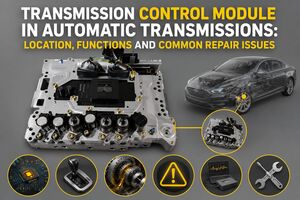
The transmission control module (TCM) is considered to be one of the most complicated structural elements of the automatic transmission. It consists of numerous microcircuits and chips which analyze hundreds of transmission parameters in real-time mode.
The modern automatic transmission is a
high-tech unit, which is largely controlled by electronic systems. Numerous sensors
receive the data on different operation parameters of the automatic
transmission and transmit the information to the central transmission control
module. The module analyzes all data and sends commands to shift gear or to
change operation parameters of the transmission.
Types of control modules
and their location
Introduction of transmission control modules made
it possible to significantly improve the convenience of driving a car with the
automatic transmission. The TCM design includes memory blocks with integrated
operational logic for different engine operation conditions and car speed rates.
In addition, the TCM is responsible for diagnostics, transmission operation
adjustment and memorization of error codes. The TCM significantly simplifies the
diagnostics of errors in the transmission operation, allowing fast repair of
the transmission malfunction.
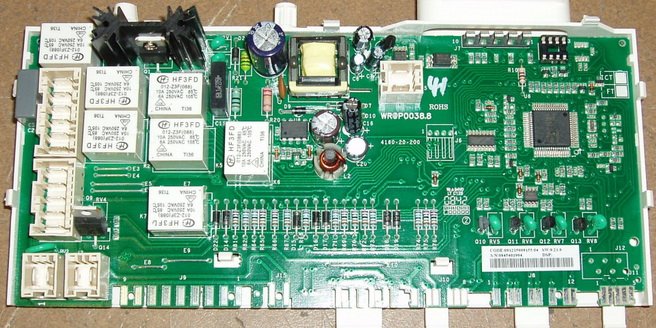
That’s what you’ll
find inside the TCM
Like any other complex component, the TCM may fail or break down. It should be noted that due to structural complexity of the TCM, the repair of this component may be a very challenging task. In some cases, it is required to replace the TCM which may come at a high cost. The TCM can be located either directly inside the gearbox or outside the gearbox housing. Each of these options for the TCM location has its advantages and disadvantages.
Interior location
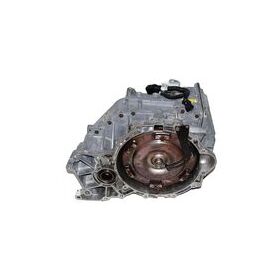
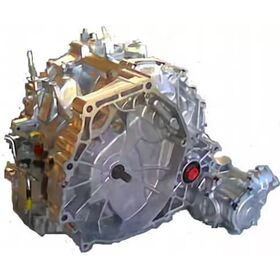
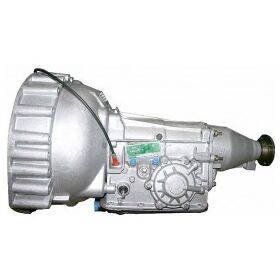
When the TCM is located inside the gearbox, the number of wires, which go directly from the TCM to the sensors in different transmission elements, is drastically reduced. However, this TCM arrangement also has its disadvantages. First of all, the TCM is exposed to high temperatures. During operation, the automatic transmission heats up significantly, which, in turn, may lead to the failure of microcircuits and memory boards.
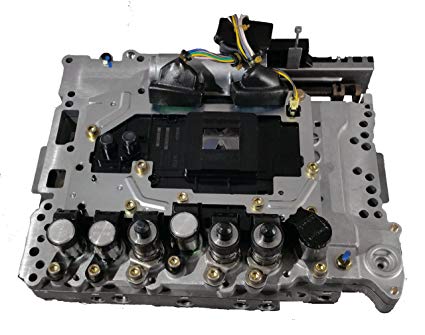
A classic example of the TCM location inside the gearbox
Moreover, the interior location significantly complicates the implementation of repair procedures because in case of the TCM issues repair specialists have to disassemble the transmission and this results in much more time fix the problem.
External location
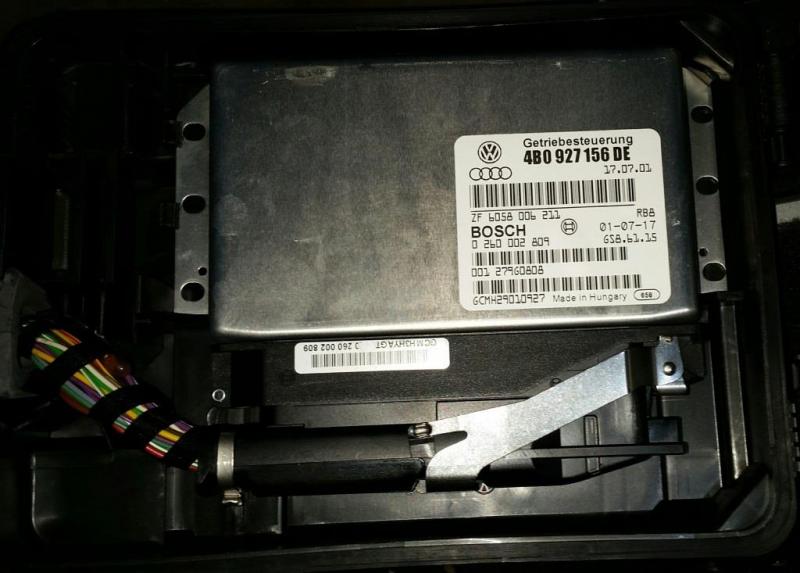
When the TCM is located outside the gearbox housing,
it is required to lay a large number of wires from the TCM to sensors inside
the transmission. However, this type of arrangement makes it possible to install
the TCM in more arbitrary fashion that helps to protect this transmission
component from moisture and high temperatures. Moreover, it helps to prolong the
TCM service life and simplifies the repair process, since access to the TCM is
not as complicated as in case with the interior TCM location.
Causes of TCM issues
and possible solutions
The TCM may fail for a number of reasons. As a rule,
TCM malfunctions are expressed in complete inoperability of the transmission. In
other words, the car starts, but the transmission does not respond to actions
of the driver or gears are shifted improperly. It should be remembered that it
is simply not safe to drive the car with a faulty TCM. Therefore, it is recommended
to consult professional repair specialists as soon as TCM issues manifest
themselves. The following may cause the TCM failure:
- Sudden voltage variations;
- Mechanical shock;
- Effects of strong vibrations;
- Increased temperature;
- Exposure to moisture;
Example of the TCM failure
All the above-mentioned factors may lead to the
TCM failure and, as a result, to high-priced replacement or repair. The TCM diagnostics
is implemented with the help of special equipment, which helps to accurately detect
the source of the problem. In most cases, the TCM repair is limited to
replacement of faulty boards and microcircuits. It should be noted that this type
of repair is quite complicated, since the specialist has to solder up microcircuits
from printed-circuit boards and to replace burnt capacitors. In some cases, it is
much easier to replace the TCM unit altogether, thereby solving problems in
operation of the transmission.
Example of the TCM
repair
It should be noted that a high-quality repair of
the TCM can be performed by experienced specialists at special service centers
equipped with required equipment. Do not try to save on the TCM repair; otherwise,
the low-quality service may have more damaging consequences for the car.