
Ford
Source-verified model
Ford FNR5
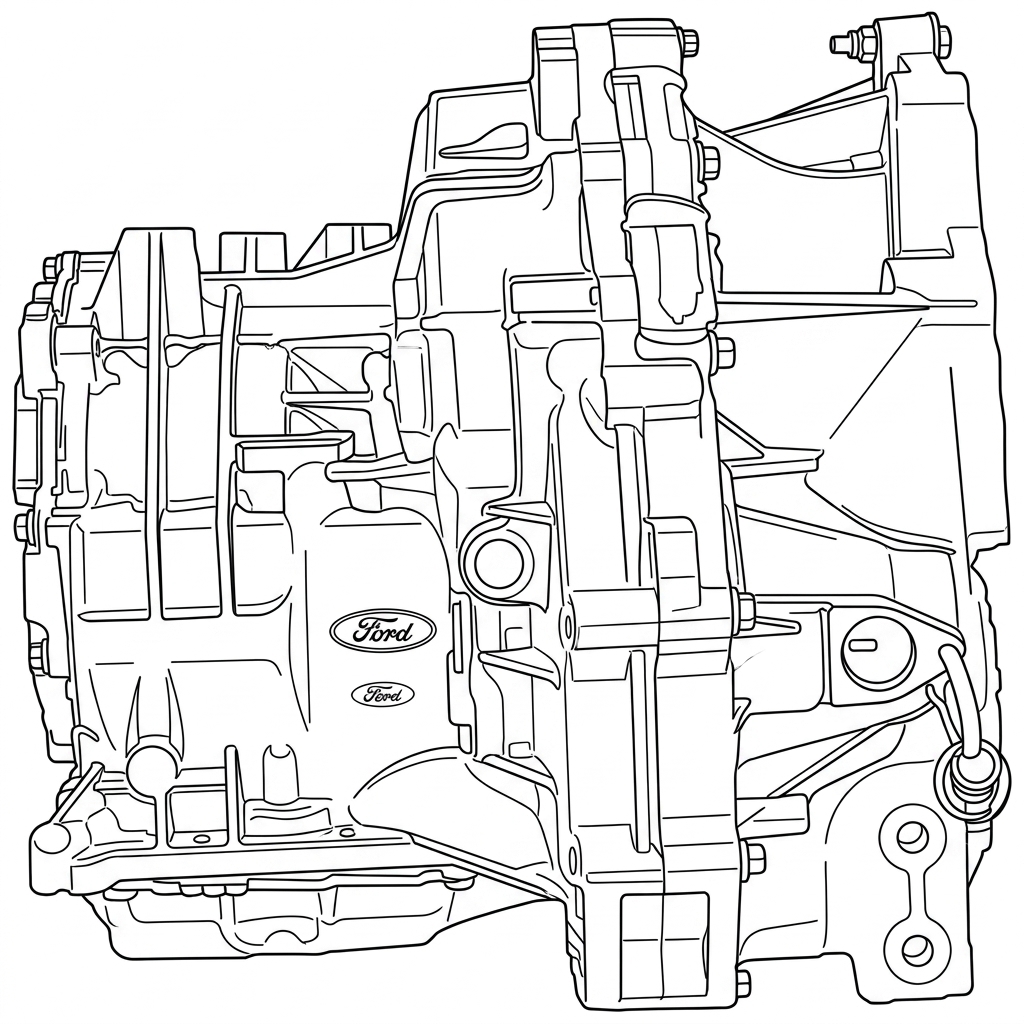
The 5-speed automatic transmission FNR5 (FS5A-EL - Mazda, 5F27E - Ford) was designed in 2004 on the basis of the 4-speed automatic transmission 4F27E. This unit has several new elements, some upgrades in the valve body and settings of the control block for better acceleration characteristics, fuel saving and increase of smoothness in gear shifting. Since 2005, this transmission has been installed on FWD Mazda 6 (3-8) and Ford Fusion with the engine capacity from 2.0 up to 2.5 liters.
Speeds
5
Type
AT
Drive
FWD
Max torque
250
ATF capacity (L)
8
ATF change (L)
5
ATF type
ATF-FZ
Other and alternative codes of this transmission
FS5AEL
FS5A-EL
FS5AE-L
FS-5AEL
FNR5
FS5-AEL
FNR-5
FNR5 Transmission
verified naming
OEM designation
source name
Common problems & symptoms
Problems and symptoms reported for this transmission, compiled from repair sources. Not a complete list.
!
Drum Reverse Rear Cover Combination
Typical weak point in FNR5/4F27E family; Drum Reverse + Rear cover assembly prone to failure.
!
Overdrive Clutch Burning
Aggressive driving causes Overdrive clutch pack to burn out in FNR5 transmission.
!
Overdrive Band Servo Seat Wear
Servo mechanism seat of Overdrive band wears out in Mazda units due to vibrations from worn drum brake band.
!
Valve Body ATF Contamination
Contaminated ATF clogs valve body, causing oil shortage in clutch packs and burning of friction elements.
!
Torque Converter Friction Lockup Wear
Mazda torque converter lock-up friction wears early; requires repair alongside valve body cleaning and EPC solenoid repl
!
Teflon Rings Wear Between Drum
Teflon rings between drum and cover support wear out; replaced each overhaul regardless of visible damage.
?
Torque Converter Leak and Vibration
Worn torque converter causes ATF leaks at seal, rapid ATF contamination, lack of locking, and oil pump shaft vibrations.
!
Oil Pump Bushing Wear
Vibrations from worn torque converter crank the pump bushing and damage the pump seal at early wear stage.
Parts categories
Marketplace products
Products listed here are sold by verified vendors and tagged to FNR5 in the Go4Trans marketplace.
🔩
No parts listed yet
Be the first to sell parts for this transmission — it's free to list. Start selling →
About this transmission
Transmission general data
The 5-speed automatic transmission FNR5 (FS5A-EL - Mazda, 5F27E - Ford) was designed in 2004 on the basis of the 4-speed automatic transmission 4F27E. This unit has several new elements, some upgrades in the valve body and settings of the control block for better acceleration characteristics, fuel saving and increase of smoothness in gear shifting. Since 2005, this transmission has been installed on FWD Mazda 6 (3-8) and Ford Fusion with the engine capacity from 2.0 up to 2.5 liters.
Technical issues and repair guidelines
A typical soft spot of this automatic transmission family lies in the combination Drum Reverse + Rear cover. Aggressive driving style leads to the Overdrive clutch burning. Another typical problem of the 4F27E transmission occurs in Mazda cars, namely, wear-out of the servo mechanism seat of the band Overdrive. This problem is caused by vibrations from operation of the worn-out drum brake band. This chain of malfunctions includes different minor problems like wearout of teflon rings located between this drum and the support of the cover, which are replaced during each overhaul even if these components have no indications of damage.
Valve bodies of this transmission for Mazda and Ford are different. The valve body for Mazda has two solenoids of the main pressure EPC (А and В). The most common problem of all present-day automatic transmissions is related to contaminated ATF clogging the valve body, that in chain order leads oil shortage in packages and burning of friction elements. Frictions in this transmission may serve quite reliably together with other spare parts and solenoids for 200 thousand kilometers and even more, under the condition of well-timed ATF change, filter replacement, and avoidance of frequent forced accelerations. The valve body requires standard cleaning and replacement of spare parts.
Traditionally, Mazda's torque converter quite early requires repair or replacement of worn-out friction lock -up simultaneously with cleaning of the valve body and replacement of the pressure solenoid. The lack of locking, unusually rapid contamination of ATF and leaks through the seal near the torque converter may be considered as the sign of repair necessity for the torque converter. Operation with the worn out torque converter leads to vibrations on the shaft of the oil pump and cranking of the pump bushing (at the first stage of wear). This problem also has a negative impact on the pump seal.
Vehicle fitment explorer
Confirmed vehicle applications. Every row is drawn from our source-verified fitment database.
| Make | Model | Year | Drive | Engine |
|---|---|---|---|---|
| Mercury | MILAN | 05-08 | 5 SP F/4WD | L4 2.3L |
Sources & Contribution
Every claim on this page is backed by a structured source record — including community contributions, each with its own reference.
Contribute transmission data
Go4Trans grows as a community knowledge graph. Help make the FNR5 record more complete — every submission is reviewed before publication.
✓ Reviewed by our editorial team before going live
✓ Accepted contributions are credited in the Sources list
📋
Alias or code variant
🔩
Part number & fitment
🚗
Vehicle application
🏪
Repair shop listing
📖
Technical article
⚠
Problem report